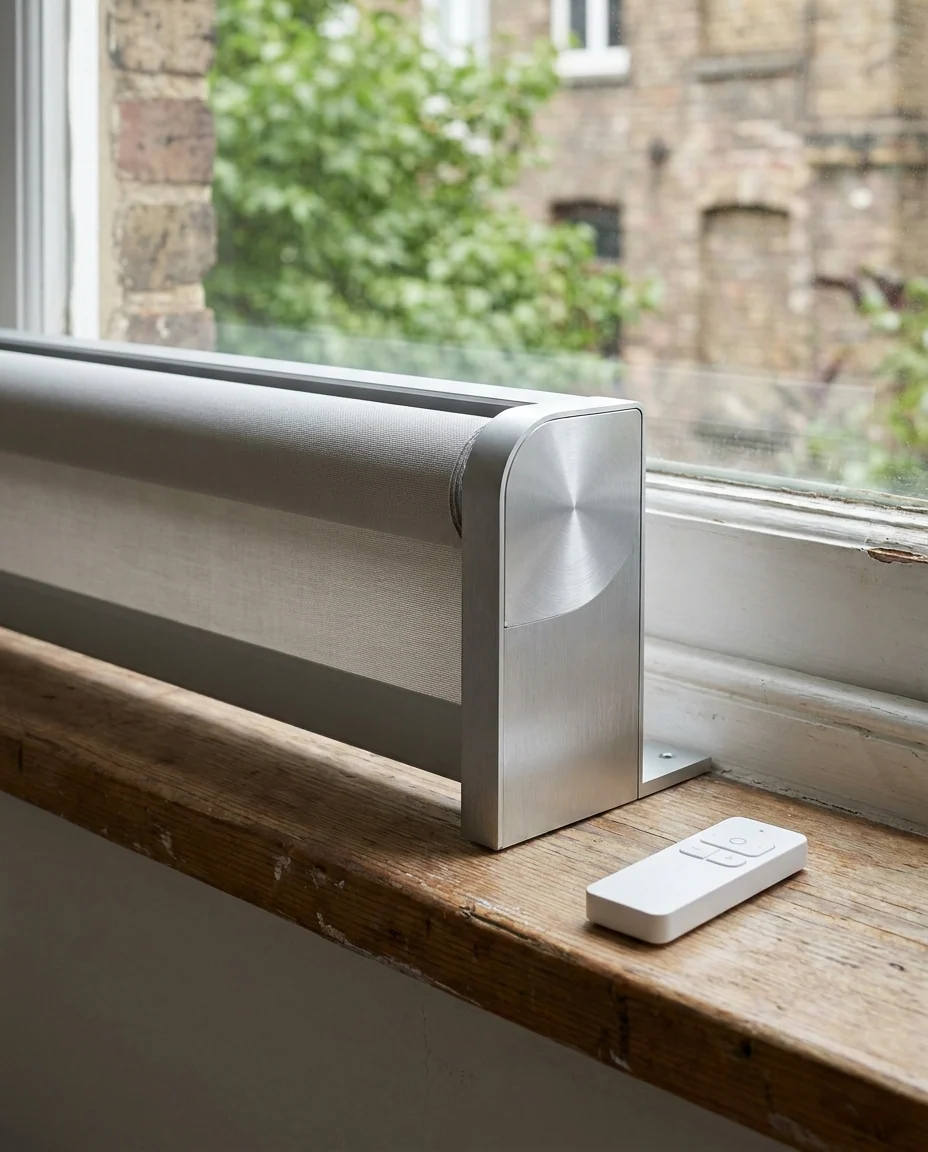
When motorisation stops being optional
On a lot of homes, motorisation is a genuine lifestyle upgrade — one button instead of six chains, blinds that drop with sunrise, an app that answers "did I leave the west blind up?" from the office. On a Big Bay new-build with a double-volume wall of glass or a blind above a stair void, it's simply the only practical way to operate the window at all. We spec accordingly rather than defaulting to it everywhere.
Two power options cover almost every job. Rechargeable battery motors need no wiring and suit retrofits, charging every few months from a USB-style charger — the sensible default on an existing home. Wired 220V motors suit new builds and renovations where an electrician is already on site: permanent, no charging, and the right choice for big or heavy systems and anything exterior. A handful of awkward positions get solar trickle options instead.
Sensors are where automation earns its keep on this coast specifically. Sun sensors drop shading automatically on hot west and north elevations. Wind sensors retract awnings, zip screens and other exterior products before a south-easter or a winter squall gets serious — this is genuinely safety-critical on exterior products here, not a marketing line, because an un-retracted screen or awning in a real gust is what actually gets damaged. Layer on app control, schedules and voice/smart-home integration as far as you want to take it; none of it is required to get a working, motorised blind.
What automation adds to the number
Motorisation has no price of its own, because the motor always belongs to a product. Every automated product we fit lands somewhere in a band of R2,500 to R7,500 per square metre, installed. An indoor roller with a motor in its tube is the cheapest thing there range; a roller shutter or a zip screen built to live in salt air and a south-easter is at the top.
Sensors, keypads and hubs are quoted as separate lines as distinct items instead of inside the rate, so you can look at each opening what is worth having. Small openings carry a minimum charge. Treat all of it as orientation only: the number that counts arrives after the free measure, once we know how many motors there are, what they drive and how each will be powered.
Battery motors
No wiring, retrofit-friendly, charged every few months via a USB-style charger.
Wired 220V motors
Permanent power for new builds, big or heavy systems and exterior products.
Sun & wind sensors
Automatic shading on hot elevations; automatic retraction before the south-easter hits exterior products.
App & schedule control
Remote, app, timer or voice — layered on as far as you want to take it.
Products commonly motorised in Big Bay
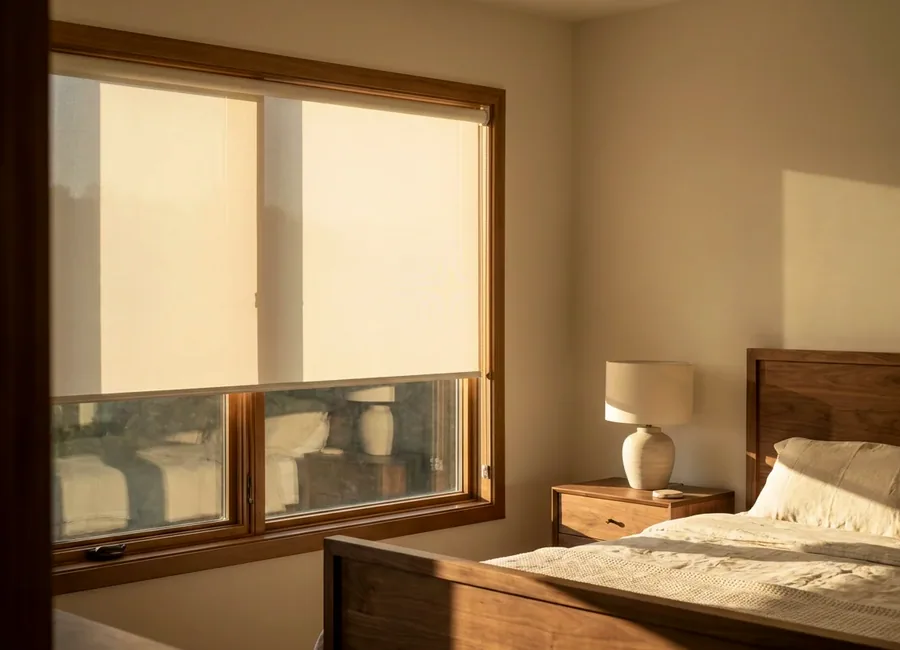
Roller blinds
Wide spans that need one button, not six chains.
Explore →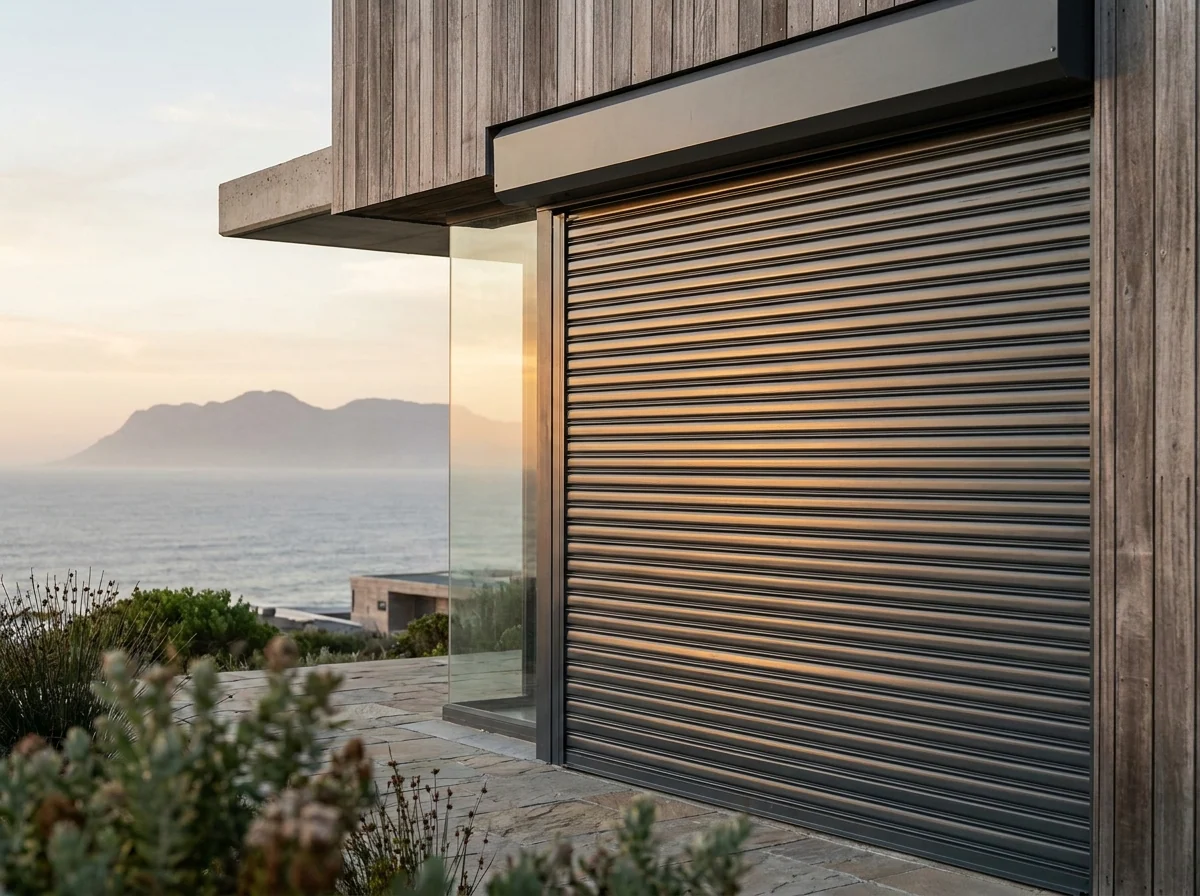
Roller shutters
Motorised as standard, manual override included.
Shading, not security. Sun, heat and glare stopped outside the glass — that is what our roller shutters are built for. Security-rated shutters are a separate product, and we'll quote on those if you ask.
Explore →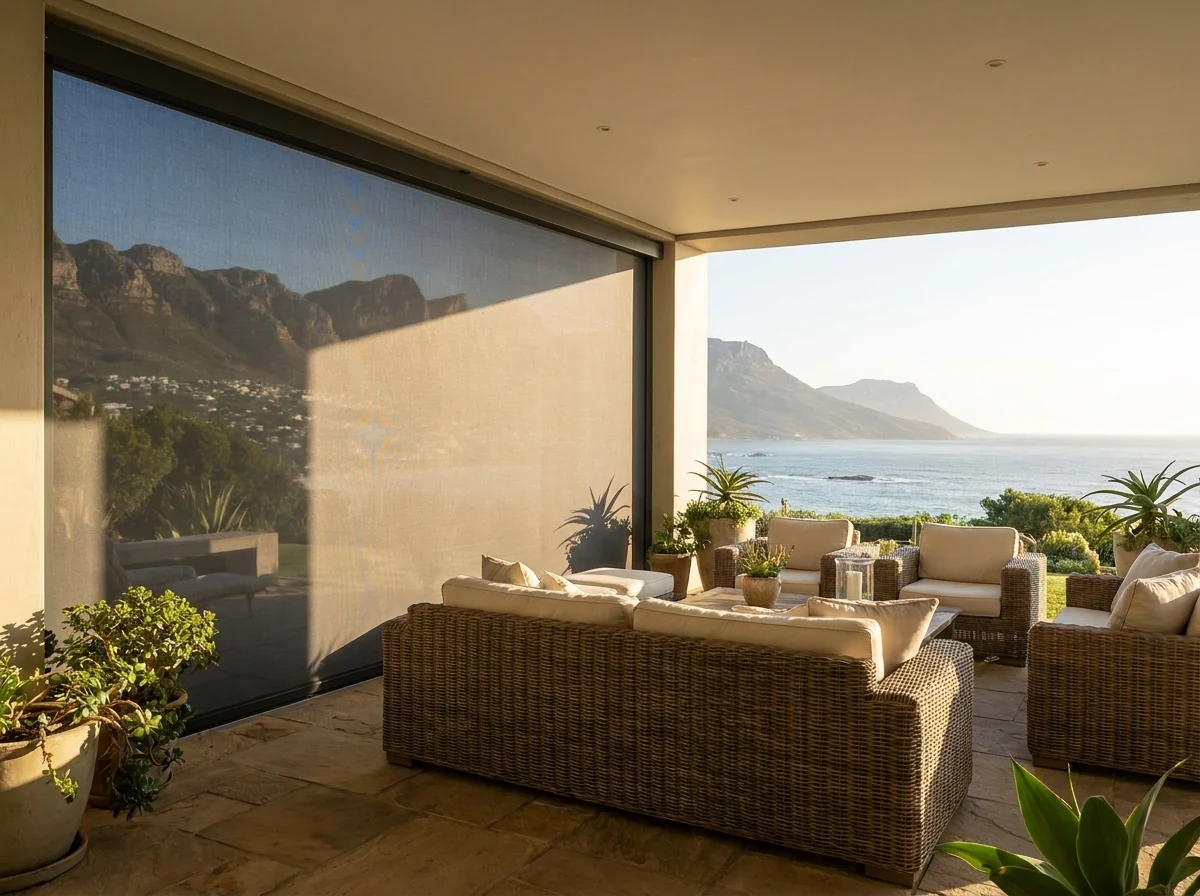
Zip screens
Wind-sensor retract before the south-easter hits.
Explore →See the full range
All twelve products, back on the homepage.
View range →Motorisation across the Blouberg coast
Wide glass and exposed exteriors make motorisation less of an upsell here than almost anywhere else — from Bloubergstrand's double-volume walls to Melkbosstrand's family retrofits.
Let's get your windows measured
Free in-home measure, a written per-window quote, and a consultant who already knows how Big Bay light and wind behave.
Which windows are we looking at?
Give us a rough idea of the rooms, and anything you've already got your eye on. One of our expert consultants will contact you shortly to arrange your free in-home measure.
- No obligation, no call-centre — a consultant calls you directly
- Fabric samples brought to the measure, not just a screen swatch
- Written, itemised quote before anything is ordered